


Tariff Tales: Unpacking the Conflicting Trade Narratives Between Trump and India
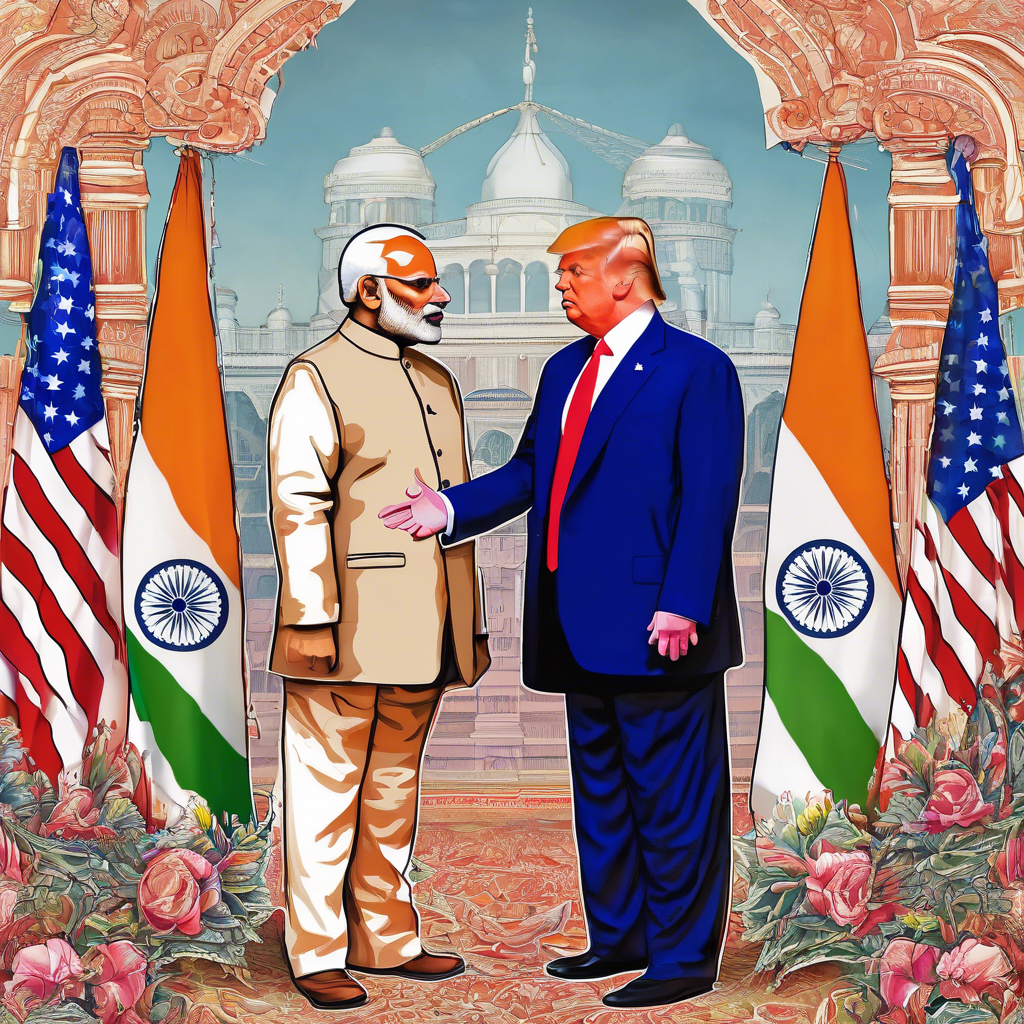
In a geopolitical chess game that often feels like a dizzying whirlwind, trade discussions between the United States and India have taken center stage. Amidst this backdrop, President Donald Trump boldly claimed that India had offered “no tariffs” in their ongoing negotiations. Yet, Indian officials struck a different chord, emphasizing that the deal remains very much in progress. 🤔💼
The Tension in Trade Talks
Trump’s assertion, made during a recent press event, underscores his administration’s aggressive stance in seeking to counteract what he describes as unfair trade practices by various nations — with India frequently featured in his critiques. However, the Indian side contends that while both parties are engaged, significant hurdles still exist before any mutual agreements can be finalized. ⚖️
This moment is far from an isolated event. The complexities of U.S.-India trade relations involve layers of tariff policies, historical negotiations, and the influence of global economic trends. According to the U.S. Census Bureau, trade between the two nations highlighted roughly $88 billion in goods in 2021, revealing the substantial economic ties that serve as the backbone of their relationship.
Exploring the Details of Tariff Negotiations
At the crux of the matter are key issues surrounding tariffs on a wide range of goods, from motorcycles to agricultural products. The U.S. has often expressed frustration over India’s high tariffs, which can reach up to 50% for certain imported goods. On the other hand, India argues that its tariffs are essential for protecting its domestic industries and farmers. 🌾🏍️
Both countries had previously made strides toward a greater trade partnership, including a tentative agreement made in 2020 meant to reduce tariffs on certain sectors. However, the postponement of discussions during the COVID-19 pandemic, alongside shifting political climates and economic pressures, has led to a standstill. To this end, Indian officials have countered Trump’s claim by communicating that a comprehensive trade deal is still in the stages of negotiation, without finalized commitments from either side. 🔄
The Wider Implications of Trade Policies
Economic analysts emphasize the potential upheaval that could arise from a disrupted trade relationship. According to the World Bank, both nations stand to benefit from an expanded trade agreement, projecting that a comprehensive deal could generate nearly $200 billion in combined exports for both countries. Many American companies rely on Indian services and technology, making continuous dialogue imperative for stability in sectors such as information technology and pharmaceuticals. 💻💊
“Economic diplomacy is the bridge between frustration and cooperation. Tariffs often reflect more than just finances; they encapsulate the broader relationship dynamics,” states Dr. Sarah Lim, a trade economist with the Peterson Institute for International Economics.
Looking Ahead: What’s Next for U.S.-India Trade Relations?
As both nations grapple with the pressing narratives surrounding tariffs, a cloud of uncertainty looms. The need for a collaborative approach has never been more essential, especially as global trade systems continue to adapt in response to various economic pressures, including supply chain shifts and inflationary challenges.
Furthermore, both countries must navigate their domestic political landscapes, where what appears to be a straightforward negotiation can quickly transform into a heated debate about national interests. With U.S. elections approaching, Trump’s administration might leverage these negotiations to bolster support on the economic front, while India must carefully balance its domestic policies without alienating its key trading partner.
Conclusion: A Call for Continued Engagement 🤝
The juxtaposition of Trump’s declaration with the Indian response illustrates the delicate balancing act inherent in international trade negotiations. While both sides express goodwill, the path ahead demands patience, understanding, and persistent dialogue. In an era of economic interdependence, resolving tariffs is not merely about numbers; it’s about reinforcing ties on a larger diplomatic stage. As these discussions evolve, observers from both sides will undoubtedly remain keenly focused on each development. 📈