


Marc Benioff’s Call for the National Guard: A Misstep in Public Discourse 😳
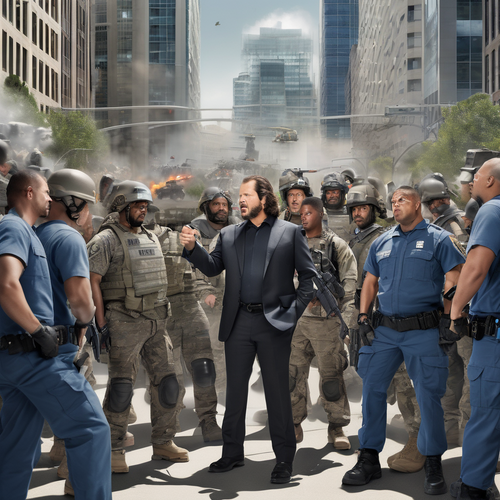
In a moment reminiscent of a sci-fi dystopia where CEOs possess omnipotent authority over public safety, Marc Benioff, the Salesforce CEO, recently suggested deploying the National Guard in San Francisco to combat rampant crime. This proposal, laden with the weight of corporate influence, has ignited a firestorm of criticism. After all, when a billionaire in a suit calls for armed intervention in America’s urban jungles, are we witnessing prudent leadership, or merely a wealthy individual’s misplaced panic? 🧐
Irony of the Tech Titan’s Perspective
As a leader in one of the most powerful tech firms, Benioff’s seamless transition from boardroom discussions to militaristic suggestions presents a striking antithesis. Here is a man who champions innovation and collaboration suddenly suggesting the blunt force of military intervention. How does one reconcile the ideals of a progressive tech industry with the harsh realities of deploying troops for urban policing? Irony drips from the notion that the very man advocating for community-focused technology would simultaneously arrest those ideals with the call for the National Guard.
In Boomerang Land, where solutions are often as simplistic as a Google search, invoking the National Guard is like throwing a sledgehammer at a gnat. The underlying crisis of crime in many urban centers—San Francisco included—is not merely about law enforcement but encompasses a complex web of socio-economic instability, mental health issues, and housing shortages. If crime were a virus, then Benioff’s response feels less like a vaccine and closer to a misunderstood, trigger-happy sterilization. 💸
The Ripple Effect of Benioff’s Remarks
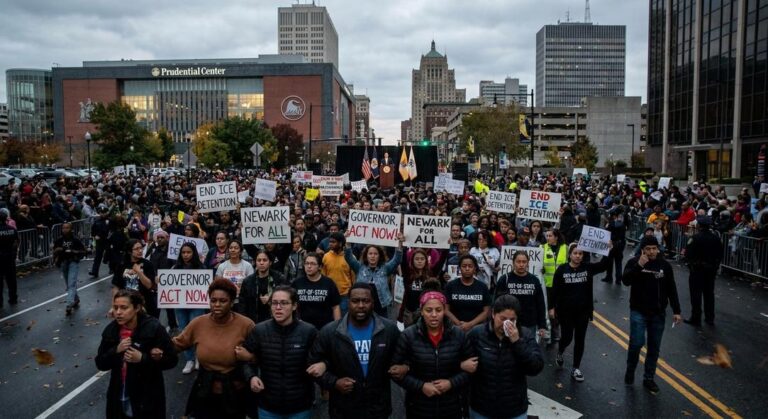
The backlash has been palpable, with critics arguing that such rhetoric from a tech titan reflects a disturbing trend where the concerns of the affluent overshadow the voices of those struggling in these communities. Ironically, as Benioff aired his opinions, communities he claims to care about echoed their views through protests against military-style policing. Are we witnessing a reevaluation of what it means to be a responsible corporate citizen? Or are we simply watching the ripple effects of misplaced ideals from Silicon Valley’s elite? 🔍
At a recent mayoral forum, community leaders articulated a burning question: Why not invest in mental health services, affordable housing, or community policing initiatives instead of bringing military personnel into the city? Here lies another stark contrast—while corporate philosophies tout innovation and progress, the solutions offered in dire times often reek of outdated military doctrine.
Contextualizing Benioff’s Proposals
To fully understand the uproar, one must consider the context in which Benioff made such comments. San Francisco has experienced escalating concerns about public safety, homelessness, and crime—issues that often make headlines. Yet equating these challenges with an armed response is both reductionist and counterproductive. This baffling call for the National Guard seems akin to using a fire hose to put out a candle: excessive and misdirected. 🔥
Statistics indicate that violent crime rates, while concerning, need to be viewed against a backdrop of rising homelessness and socioeconomic challenges. A recent report from the San Francisco Police Department highlighted a significant correlation between these factors and the observed crime rates, prompting calls for holistic solutions rather than military action.
Confronting the Bigger Picture
Even more perplexing is the question of whether corporate leaders should even be steering public policy. When did the decision to deploy troops to an American city become a topic for boardroom discussions? The juxtaposition of corporate advice and public duty demands a critical examination: should public safety rest in the hands of the corporate elite, whose marched footsteps echo in the halls of power, or should it return to the jurisdiction of locally elected officials, who owe their very positions to the communities they serve?
It is reminiscent of the old trope wherein the rich ride into town on gilded horses, offering solutions that serve their interests more than those of the people. The call for the National Guard is not merely a suggestion; it’s a narrative that invites reflection on power dynamics, corporate responsibility, and the role of influential figures in shaping our public discourse. What does it mean for democracy when decision-making increasingly mirrors the whims of the wealthy few? ⚖️
Moving Towards Thoughtful Solutions
In the aftermath of Benioff’s remarks, a collective reflection is necessary—a moment to contemplate the delicate balance required between public safety and humanitarian approach. True leadership in addressing crime involves robust dialogue and collaboration with community members, city planners, and law enforcement—not a knee-jerk militaristic response. The irony emerges starkly: in a city celebrated for its innovation, perhaps the most revolutionary ideas lie not in deployments but in compassionate, community-driven solutions. 🤝
As we grapple with the unexpected realities of urban life, it’s crucial for leaders like Benioff to remember that solutions don’t emerge in a vacuum—even from the plush offices overlooking downtown. The complex fabric of society demands more than swift actions; it requires understanding, commitment, and vision. Let’s aim for a narrative where technology uplifts the human condition rather than exacerbates existing divides.